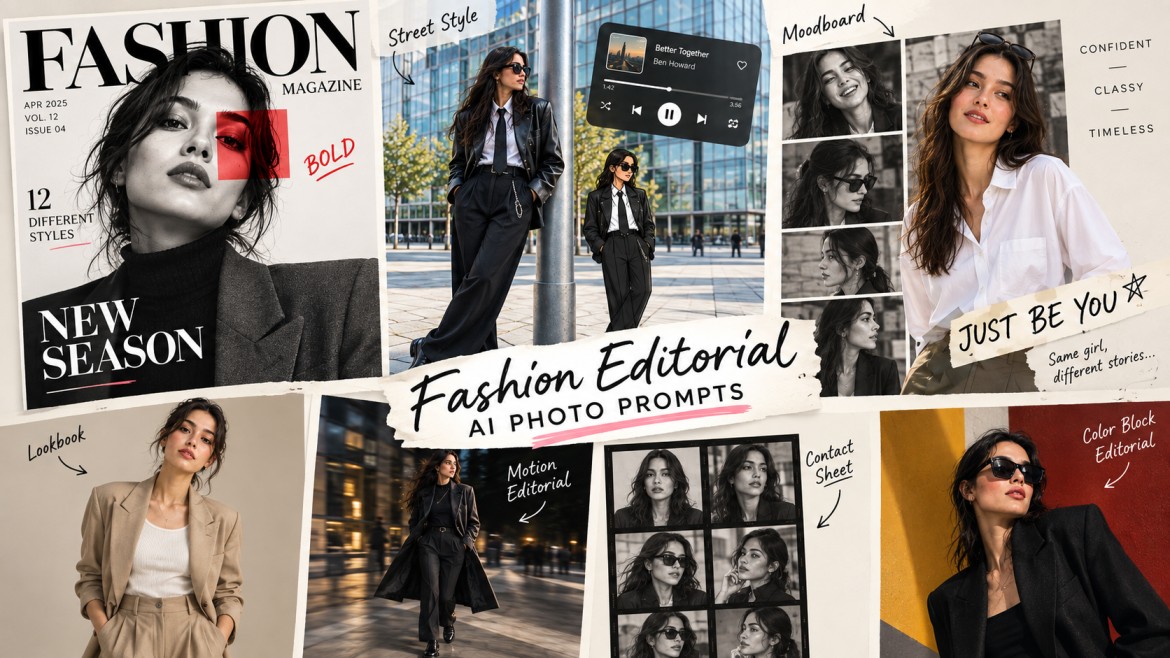
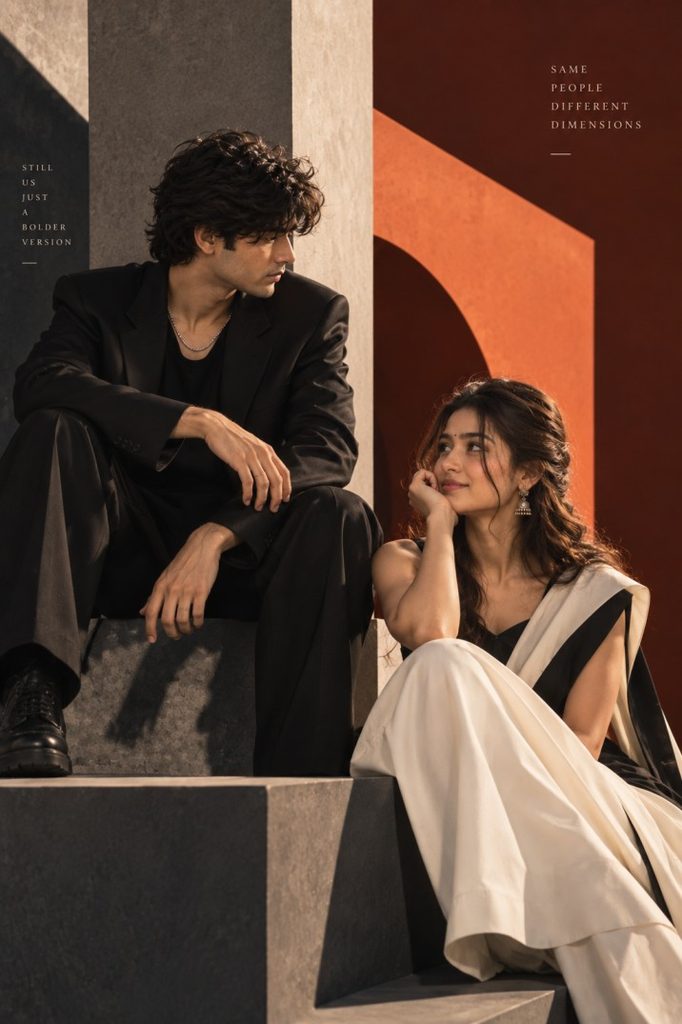
A good fashion editorial image should feel more intentional than a normal AI portrait. It needs a visual concept the kind of composition you might see in a magazine, designer lookbook, campaign moodboard, or street-style feature.
That is what these fashion editorial AI photo prompts are designed to create.
Instead of repeatedly generating the same luxury portrait against a plain background, this collection explores different editorial formats: magazine covers, layered moodboards, street photography, illustrated elements, minimalist lookbooks, and controlled motion.
Use your own photo as the reference image whenever facial likeness matters. The prompts below are written so the fashion styling, environment, composition, and visual treatment change while the person’s recognizable identity remains consistent.
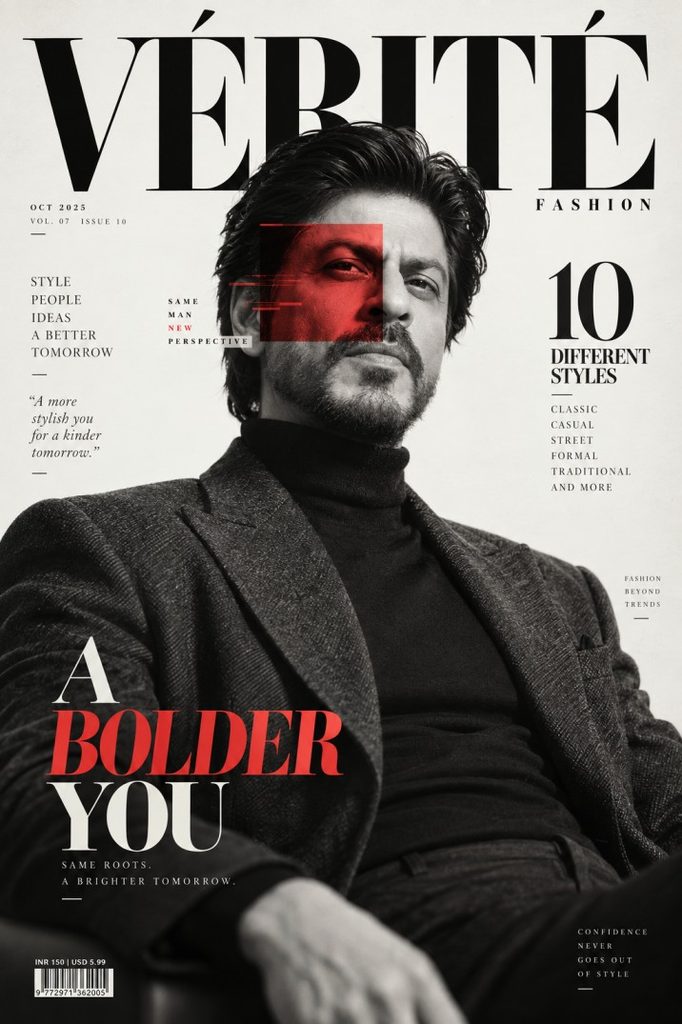
1. High-Fashion Magazine Cover
2. Street Style Portrait With Stylized Mini Companion
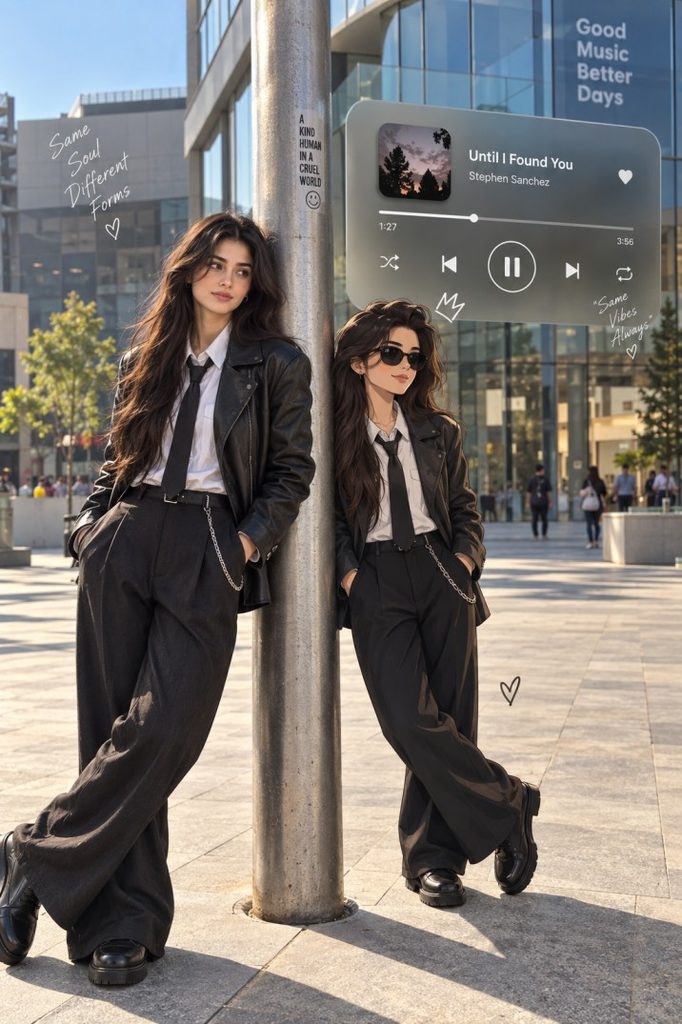
3. Confident Editorial Moodboard Collage
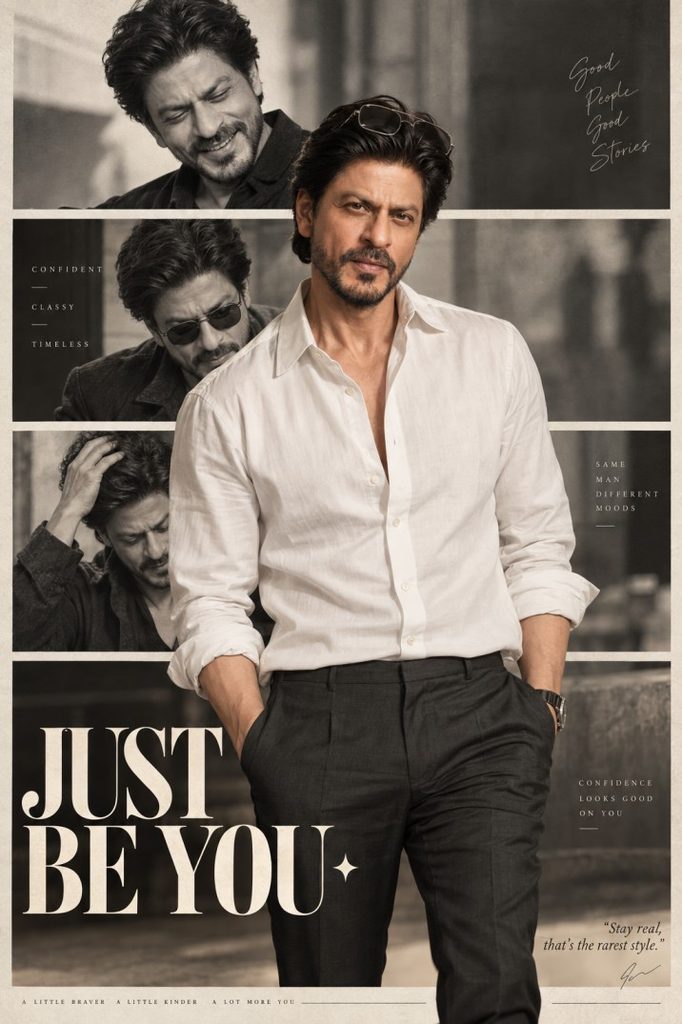
4. Minimalist Studio Lookbook
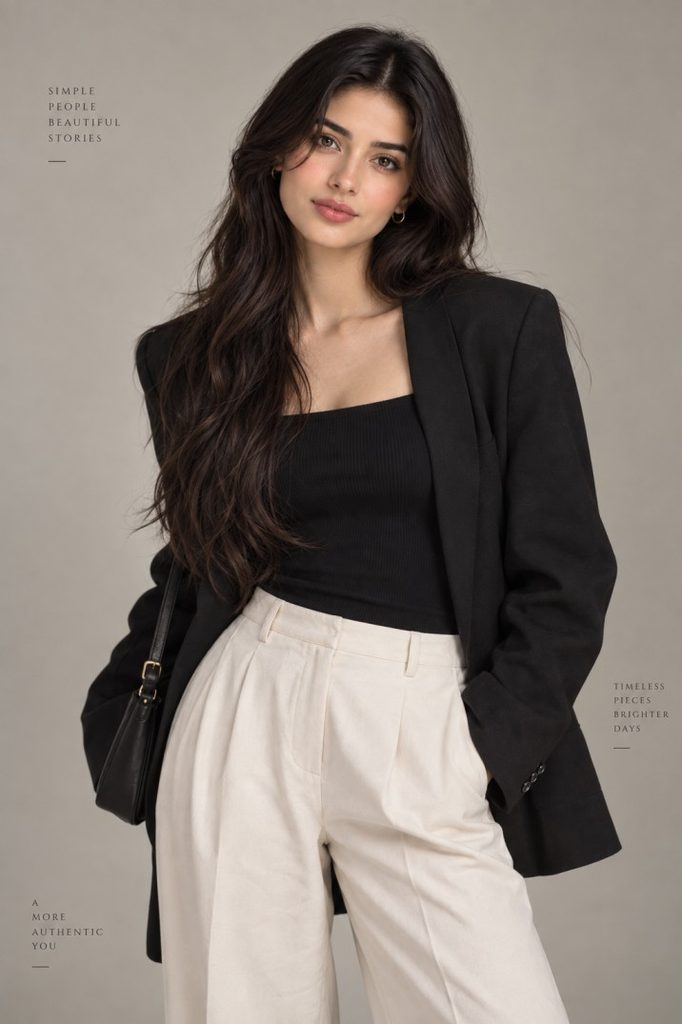
5. Editorial Motion Blur Runway Moment
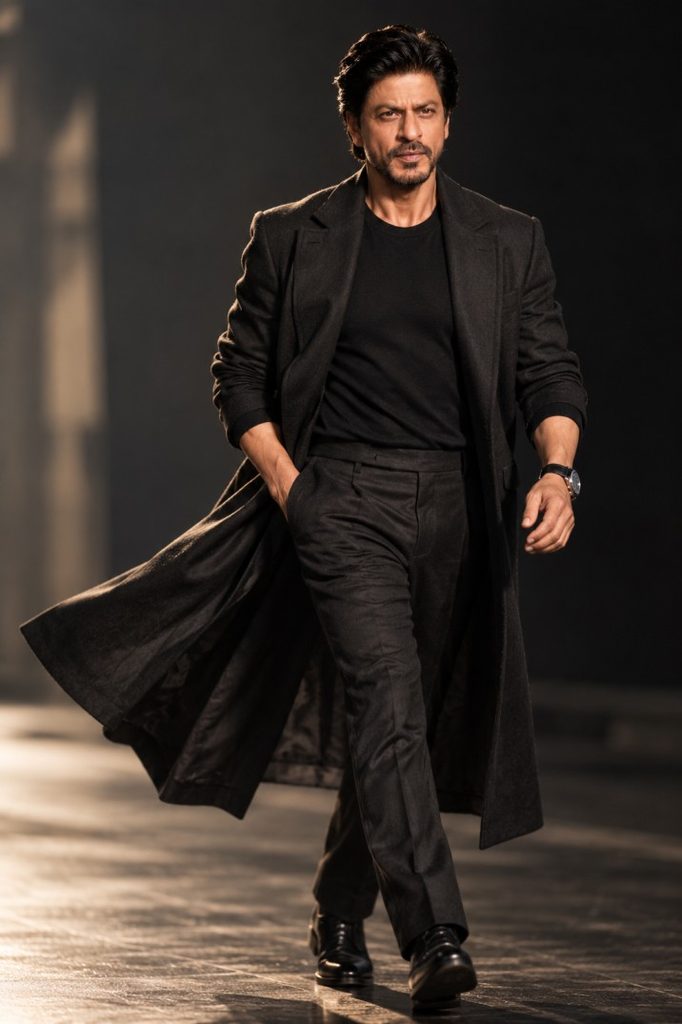
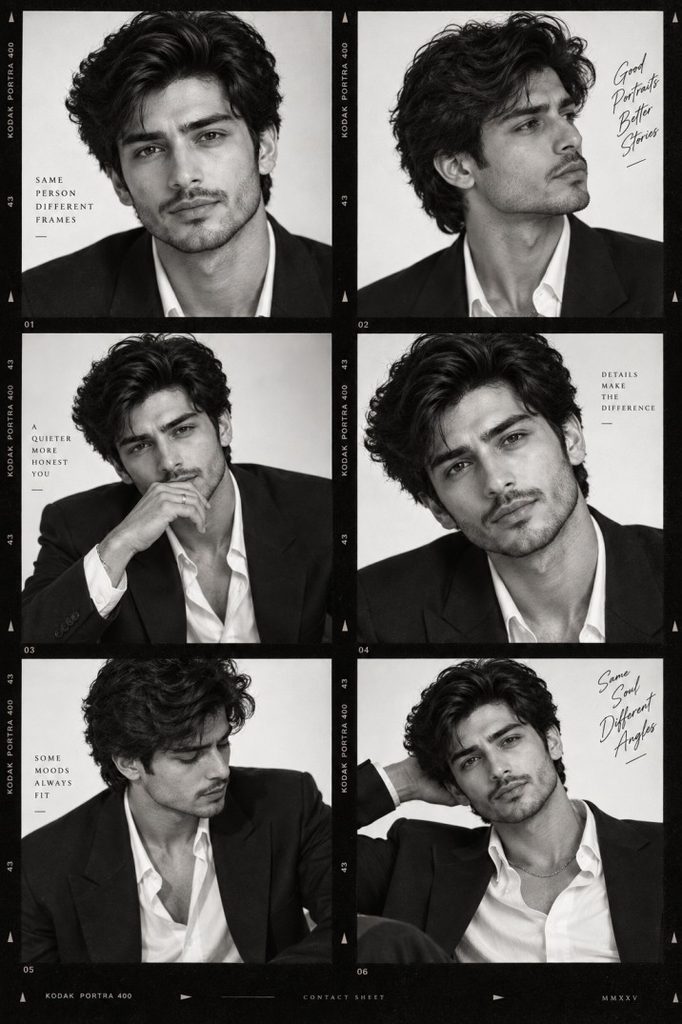
6. Editorial Black-and-White Contact Sheet
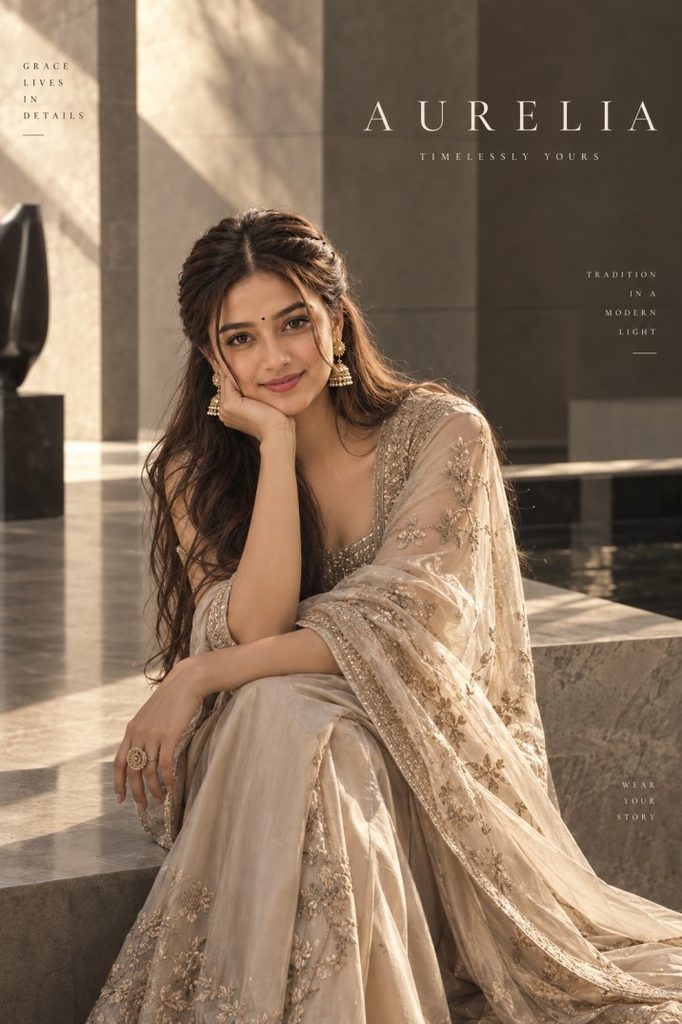
7. Luxury Designer Campaign
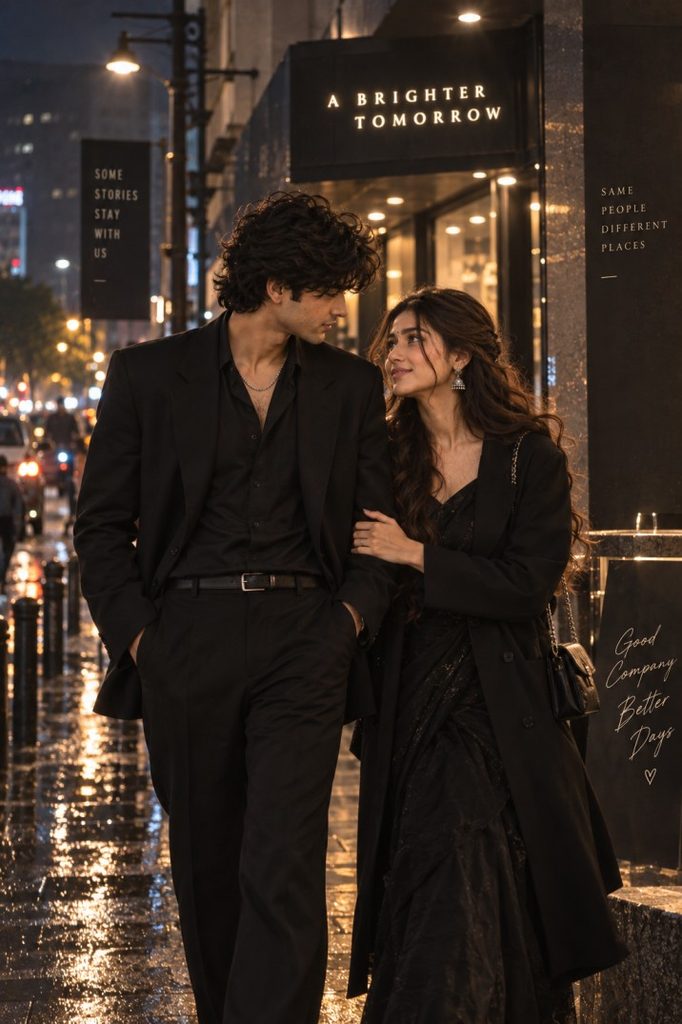
8. Urban Night Fashion Editorial
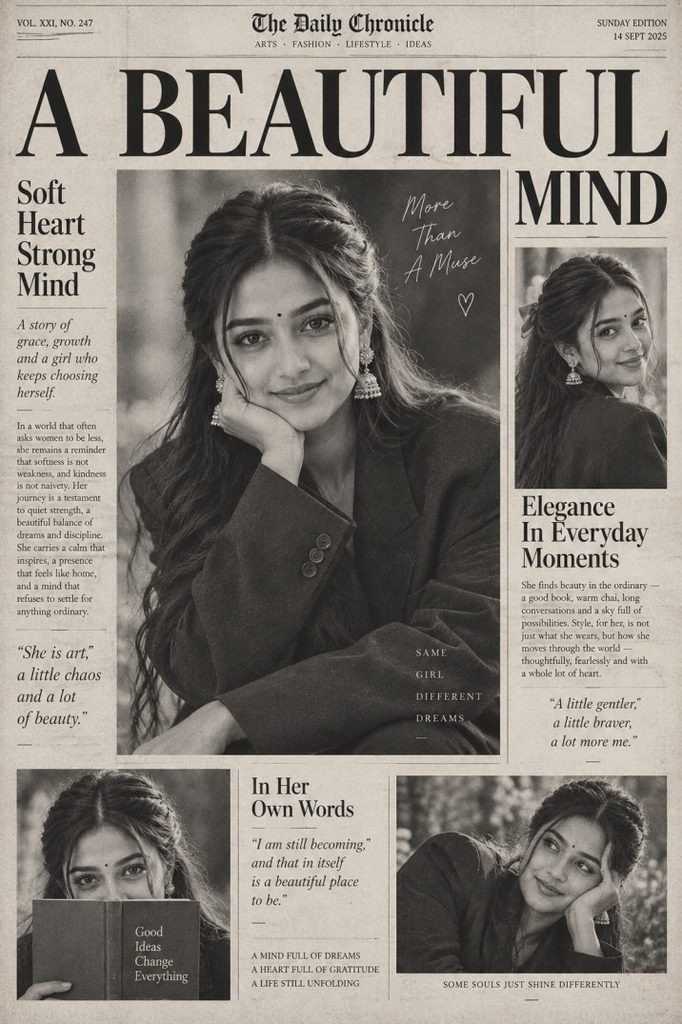
9. Editorial Newspaper Fashion Spread
10. Experimental Color-Block Editorial
How to Get Better Fashion Editorial Results
Start With the Reference Photo
Use a clear image where the face is visible and reasonably well lit. A strong reference gives the model more information about the person’s facial structure and appearance.
Don’t Change Everything at Once
If you’re trying a complicated editorial concept, keep the subject’s identity and styling consistent while changing one major variable at a time:
- outfit
- location
- lighting
- composition
- graphic treatment
This makes it easier to identify which part of the prompt is producing an unwanted result.
Keep Typography Short
AI image generators can struggle with small paragraphs and detailed cover text. Short phrases such as FASHION, NEW SEASON, or JUST BE YOU are generally easier to render than a full magazine article.
For professional publication graphics, generate the visual first and add final typography in Canva, Photoshop, or another editor.
Use Negative Space Intentionally
Empty space isn’t wasted space in editorial photography. It gives headlines, logos, captions, and other design elements somewhere to sit without covering the subject.
Don’t Overload the Prompt
Adding more adjectives doesn’t automatically make an image more editorial.
Instead of:
luxury, cinematic, premium, elegant, beautiful, stylish, dramatic…
describe what the camera sees:
structured blazer, off-white studio background, hard side light, deep shadow, generous negative space, monochrome grading.
That gives the image model something concrete to interpret.
Frequently Asked Questions
What are fashion editorial AI photo prompts?
They are prompts designed to create AI-generated images with the visual language of fashion photography, magazines, campaigns, lookbooks, moodboards, and designer editorials rather than ordinary portraits.
Can I use these prompts with my own photo?
Yes. Upload a clear reference image and tell the AI to preserve the person’s recognizable facial features while changing the clothing, environment, lighting, and editorial treatment.
Why does my AI magazine cover have strange text?
Small text is still difficult for many image-generation models. Keep generated typography short or create the image without detailed text and add the final wording afterward in an editing tool.
Which prompt should I try first?
For a clean fashion photograph, start with the Minimalist Studio Lookbook. For a graphic result, try the High-Fashion Magazine Cover. For something more unusual, the Street Style With Stylized Mini Companion or Experimental Color-Block Editorial provides a more layered direction.
Can these prompts create men’s and women’s fashion editorials?
Yes. Most of the prompts are gender-neutral at their structural level. Change the clothing, accessories, hairstyle, and styling details while keeping the photographic and compositional instructions.
So The Final Thoughts is –
Fashion-editorial AI images become much more interesting when the prompt defines an editorial concept, not just an attractive outfit.
A magazine cover introduces typography and graphic hierarchy. A moodboard introduces multiple visual moments. A lookbook relies on clean composition and fabric detail. Street editorials use location and natural light, while experimental campaigns use geometry, color, and negative space.
That difference is what keeps your results from looking like another generic AI fashion portrait.